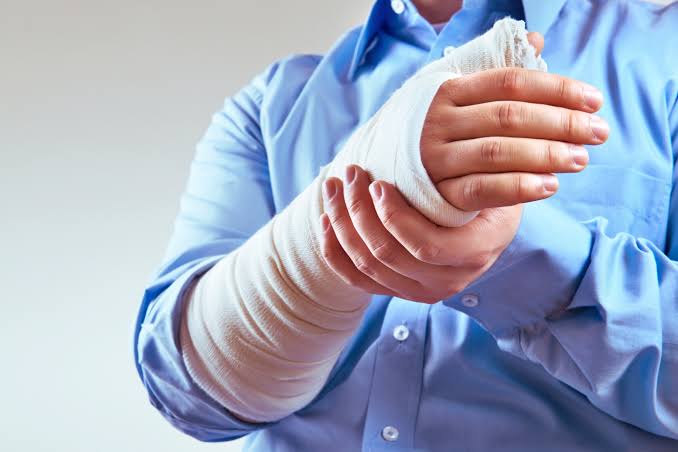
An unexpected injury can disrupt even the most carefully planned routine. A person may be heading to work, shopping at a local store, or completing ordinary household activities when an accident suddenly changes everything. Beyond the immediate physical discomfort, injuries can create financial uncertainty, emotional stress, and difficulties with everyday responsibilities. Understanding personal injury issues can help people recognize their options and take sensible steps toward recovery.
Common Situations That Lead to Personal Injuries
Personal injuries occur in many different circumstances, and the severity can vary considerably. Vehicle accidents are one of the most recognized causes, particularly when drivers become distracted, ignore traffic signals, or fail to maintain a safe distance. These incidents can result in neck injuries, broken bones, back problems, and other conditions that require ongoing medical attention.
Accidents can also happen in workplaces where employees regularly handle equipment, operate machinery, or perform physically demanding tasks. Missing safety signs, insufficient training, and poorly maintained tools may increase the likelihood of an incident. Employers and workers both play important roles in maintaining safe working environments.
Property-related accidents deserve attention as well. Slippery floors, loose carpets, damaged staircases, and falling objects can cause injuries in residential buildings and commercial establishments. When an accident occurs because someone failed to meet an applicable safety responsibility, the injured person may have grounds to explore legal options.
Getting the Right Medical Treatment
Medical attention should never be overlooked after an accident. Some injuries produce immediate symptoms, while others take time to become noticeable. Head injuries, internal injuries, and soft tissue damage may not always be obvious during the first few hours.
A healthcare professional can evaluate the condition, recommend diagnostic tests when necessary, and create an appropriate treatment plan. Following medical instructions and attending follow-up appointments can help prevent complications and support recovery.
Keeping medical records is another practical step. Treatment summaries, hospital bills, prescriptions, and rehabilitation reports can provide useful evidence of the injury and its financial impact. These documents may become especially important if the individual later decides to pursue a personal injury claim.
Knowing When Legal Assistance May Be Necessary
When another person’s negligence contributes to an accident, the injured individual may have the right to seek compensation under applicable law. Personal injury claims can involve medical expenses, lost income, rehabilitation costs, and other damages recognized by the relevant jurisdiction.
However, determining liability requires careful consideration of the available facts. Investigators or legal representatives may examine accident reports, photographs, witness statements, medical documentation, and other relevant evidence. The injured person’s own actions and local legal requirements may also affect the outcome.
A personal injury attorney can explain the legal process and help determine whether a claim is worth pursuing. Professional guidance can be particularly useful when insurance companies request detailed information or propose a settlement. Before agreeing to any settlement, individuals should understand what losses it covers and whether accepting it will affect their ability to seek further compensation.
Managing Expenses During Recovery
Financial difficulties are a common concern following a serious accident. Medical appointments, medication, transportation, and rehabilitation can create expenses that were never part of the household budget. Individuals who cannot work temporarily may also experience reduced income.
One useful approach is to maintain a dedicated record of all accident-related costs. Organizing receipts, invoices, employment records, and insurance correspondence can make financial planning easier. It also provides supporting documentation if these expenses become part of a legal claim.
Recovery may require adjustments to everyday routines. Family members can assist with transportation, shopping, household activities, and other responsibilities while the injured person gradually regains independence. Having practical support can reduce stress and allow more attention to be given to medical care.
Building Safer Homes, Workplaces, and Communities
Preventing personal injuries requires consistent attention to safety. Drivers should follow traffic rules, avoid distractions, and keep vehicles properly maintained. Businesses should provide employee training, inspect equipment regularly, and address dangerous conditions as soon as they are identified.
Property owners can reduce risks by maintaining staircases, improving lighting, repairing damaged flooring, and keeping walkways clear. Even small improvements can prevent accidents that might otherwise lead to serious consequences.
Personal injury situations can be difficult, but informed decisions can make the recovery process more manageable. Seeking timely medical care, maintaining accurate records, understanding legal responsibilities, and obtaining qualified professional advice when necessary all contribute to a better approach. With patience and appropriate support, injured individuals can work toward rebuilding their confidence and returning to everyday life.
Leave a Reply